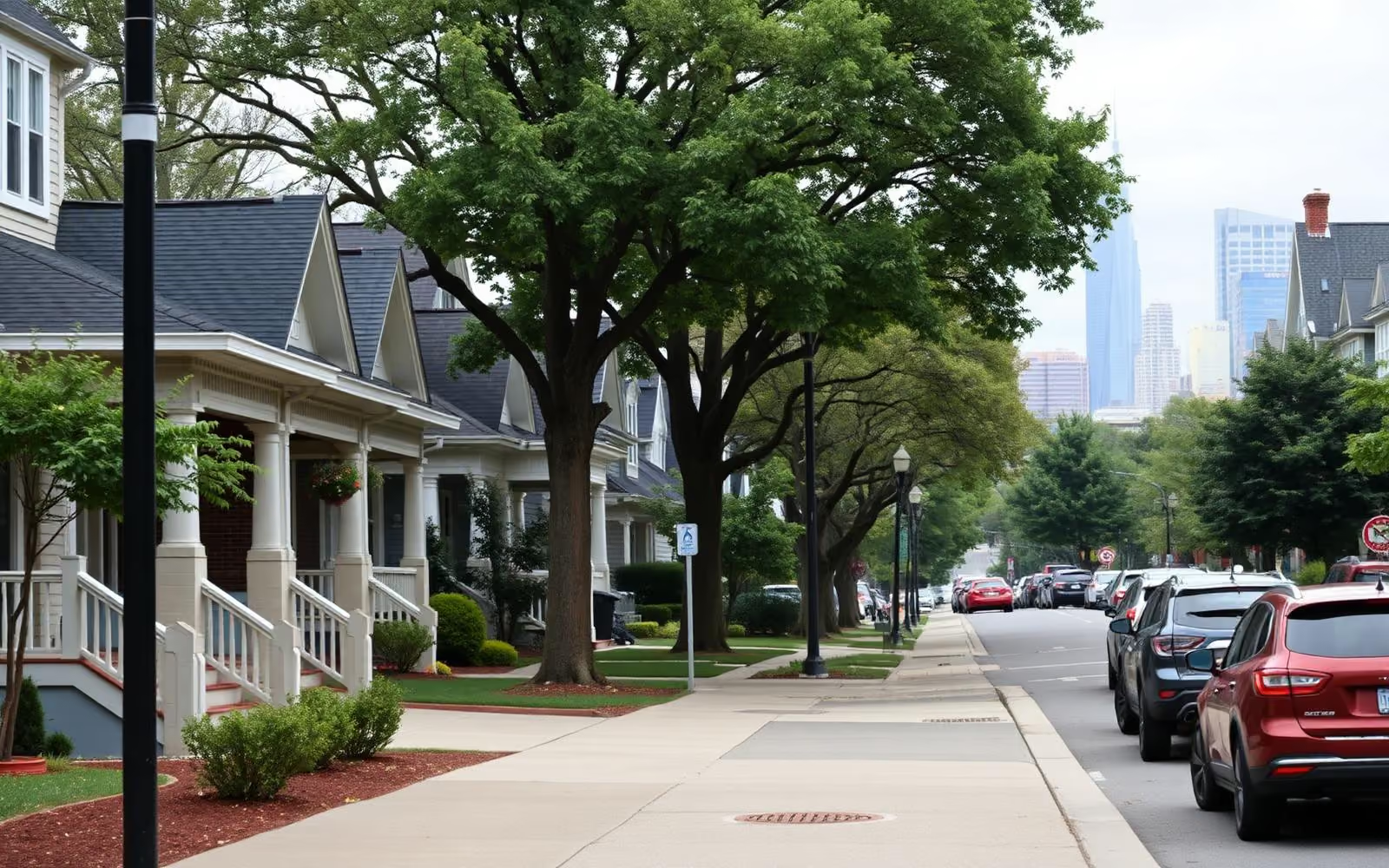
Elizabeth and Cotswold are both established, both in-town, and both frequently on the same shortlist — but they are thirty to forty years and one urban philosophy apart. Elizabeth was built for streetcars: small lots, continuous sidewalks, commercial corners you can walk to. Cotswold was built for cars: wide flat lots, driveways, and a shopping centre at the middle. Almost every practical difference between them follows from that.
Two different eras of Charlotte
Elizabeth is among the city's oldest residential neighborhoods, developed around streetcar lines with a fine grid, narrow lots, deep front porches, and commercial corners folded into the fabric. Its housing is predominantly early-twentieth-century bungalow and four-square, much of it renovated, some of it historically regulated.
Cotswold arrived after the war, designed around the car: curvilinear subdivisions, generous setbacks, driveways, and a shopping centre serving the surrounding streets. Its stock is brick ranch and split-level, now in the middle of a renovation and rebuild cycle — see Cotswold architecture.
The trade-off in one line
Elizabeth trades yard space and parking for walkability and proximity. Cotswold trades walkability and proximity for yard space, parking, and square footage. Neither is a compromise on location; both sit inside the middle ring with short drives to almost everything.
Where each one wins
- Elizabeth: walking to dinner, walking to work at the medical campus or Uptown, historic architecture, and a genuinely urban streetscape.
- Cotswold: flat fenced yards, off-street parking, a grocery run measured in minutes, greenway access, and more house per dollar. See living in Cotswold.
- Renovation freedom: Cotswold's lots and generally unregulated architectural context leave more room to add on or rebuild — the sequence is on custom homes and renovations.
- Quiet: Cotswold's interior streets carry less through traffic than Elizabeth's grid, which distributes it everywhere.
Cost and what you get
Elizabeth's scarcity and proximity tend to push cost per square foot higher, while houses are often smaller. Cotswold's wide internal spread — original ranch to new custom build — means the same budget buys very different things depending on tier, as set out on Cotswold home values. Verify both markets against current Canopy MLS reporting.
Practical checks before you decide
- Park where you would actually park, at the time you would actually arrive home.
- Walk the block to the nearest grocery in both neighborhoods and time it.
- Check historic district or design review status on any Elizabeth parcel before planning work.
- Verify school assignment by address with Charlotte-Mecklenburg Schools — see Cotswold schools.
- Check drainage and flood history on low-lying parcels in either area.
The full comparison set, including Eastover and Plaza Midwood, is on Cotswold vs. the alternatives.
Comparisons on this page are editorial and general. Nothing here is real estate, appraisal, or investment advice. Verify pricing, historic designation, and school assignment independently. Equal Housing Opportunity.